 While bookstores may be the traditional method of selling books, there are many other ways to develop ancillary markets and revenue. Going well beyond bookstore sales, there are also meaningful fringe benefits that can come from publishing.
I wrote about this previously in a May/June 2019 issue of IBPA Independent, “How Books Can Lead to Adventures … and More Revenue” (pubspot.ibpa-online.org/article/how-books-can-lead-to-adventures-and-more-revenue), where I explored generating revenue through travel adventures. That remains an excellent part of our business, but I’d like to take it a step further here.
Driving Direct-to-Consumer Sales
Selling directly to the consumer is by far the most profitable channel, since revenue isn’t shared with distributors, wholesalers, or retailers. We’ve developed several ways to encourage those direct sales.
First, we offer autographed books. Readers must come to us if they want a signed copy. We go beyond a simple signature by adding personalized messages, including custom inscriptions for gifts. We’ll address the recipient directly and include a note from the giver. People love this—and we retain the full margin.
Creating Premium Editions
We also offer a deluxe gift box edition, with books packaged in a slipcase covered in burgundy fabric and gold foil stamped with the book’s name. These editions are only available through us, which brings customers directly to our site.
We add a modest premium for the packaging, increasing revenue while maintaining full control of the sale.
Scaling Through Bulk Gifting
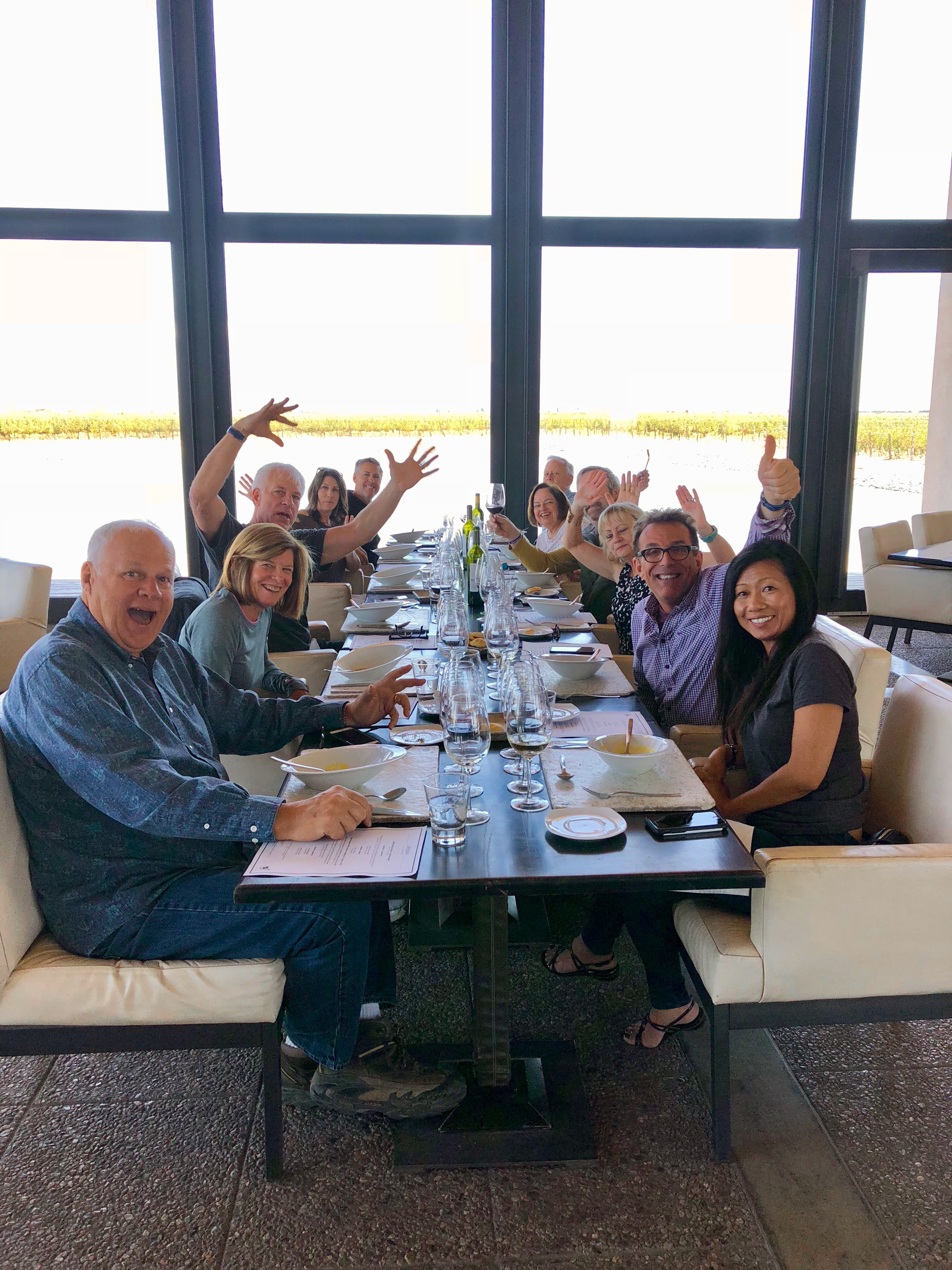 These deluxe editions have also opened the door to volume gift-giving. A company or individual can provide a list of recipients—for example, holiday gifts—and we ship directly to each person, complete with a personalized note and optional autograph.
These orders tend to be larger, more efficient, and, again, fully direct.
Expanding Into Digital Formats
Our travel books are large, heavy, and designed to be beautiful—none of which makes them ideal for actual travel. To solve that, we created a digital travel edition optimized for phones and tablets.
These e-books include the full content along with clickable links for maps, websites, phone numbers, and email addresses, and are available through Apple Books and Amazon Kindle. This approach addresses a practical need while adding new functionality and generating additional revenue.
Building Retail Partnerships
One of our largest revenue sources comes from retailers featured in our books. Because we focus on wine regions, we highlight wineries, restaurants, hotels, and attractions—many of which have retail shops.
Wineries sell books alongside wine accessories, while hotels and attractions stock them in gift stores. In many cases, we can generate these sales before the books are even printed through presales. These partners already value the content and see the books as both retail products and gifts.
When the Book Isn’t the Point
Fringe benefits can be just as important as direct revenue. In some cases, publishing a book isn’t primarily about sales at all.
Books can establish credibility, support a professional reputation, or lead to speaking and educational opportunities. For Exploring Wine Regions, the research itself—traveling to wine regions—is a benefit that often outweighs the financial return.
Access, Lifestyle, and Experience
For us, success is often measured less in cash flow and more in access and lifestyle. Writing as a wine and travel expert opens doors to private cellars, exclusive tastings, and behind-the-scenes experiences.
Spending months in places like Bordeaux, Mendoza, and Santorini—dining with chefs and staying on vineyard estates—is a return that’s hard to quantify but deeply valuable.
Learning What Doesn’t Work
So why “no more” in the headline?
Because just as important as finding new revenue streams is recognizing what doesn’t work. That requires staying curious and continuing to experiment.
For example, I assumed selling wine alongside our books would be a natural fit. It wasn’t. The same was true for wine accessories and even wine luggage—except in one case: when tied to travel adventures, where customers do want luggage.
Some ideas work. Others don’t. The key is to keep testing and learning.
Keep Experimenting
I hope these examples offer useful ideas or at least spark some thinking about what might work in your own publishing business.
Fringe benefits may take different forms depending on your industry, but they can be just as rewarding as direct revenue. The important thing is to keep exploring new opportunities. Some will go nowhere. Others may become your most valuable sources of income—or experience.
Michael C. Higgins, Ph.D., is the author, photographer, and publisher of the Exploring Wine Regions book series.