Bookstore placement. Major retail visibility. Hands-off sales support. What publisher wouldn’t want these advantages in the marketplace?
“Every publisher reaches a certain point in their growth where lack of market access feels like their biggest problem,” says Joe Biel, publisher at Microcosm Publishing. “The assumption is that if a publisher had infinite reach, they would have infinite sales.”
In fact, the reality is more complicated. Distributors can help publishers improve their reach, but publishers need to temper their expectations about what that reach entails and make informed decisions about distribution.
Why Distribution
 Marketplace realities compel many publishers to seek distribution arrangements. “It’s very difficult to get books into the larger marketplace as a stand-alone single publisher,” says Jeffrey Tegge, vice president of client services at Lakeside Book Company.
Upriver Press publisher Glenn McMahan says he sought distribution to better serve his authors by getting librarians and book buyers to pay more attention to their titles. His decision to pursue distribution was also a logical extension of the company’s growth.
“Over numerous years, we published some high-profile nonfiction authors, gaining endorsements from four Nobel Prize-winning economists and some international awards,” he says. “We believed we had enough meaningful content, authors of stature, and financial stability to form a partnership with a distributor.”
For Running Wild’s founder, Lisa Diane Kastner, distribution was also a way of reaching more readers. “I had been given advisement that if I wanted our stories to be listed in libraries, schools, and other major locales, then I would need to get an agreement with one of the major distributors,” she says.
At Forest Avenue Press, publisher Laura Stanfill had two goals in seeking distribution: getting the company’s books into bookstores and convincing trade journals that the titles are worthy of reviews. “The market is really crowded,” she says. “I’ve had some phenomenal award-winning titles come out with next to no trade reviews, and that says a lot about an industry imbalance.”
Prestige can also be a factor, Biel says. “It feels more legitimate to get the stamp of approval from a third party that is larger than you are,” he says. “It helps you to take your work seriously.”
Ultimately, Tegge says distribution is about freeing publishers to focus on their core competencies. “People don’t get into publishing to pick and pack and warehouse,” he says. “It’s a mission-driven and passion-based decision.”
Distribution Nuts and Bolts
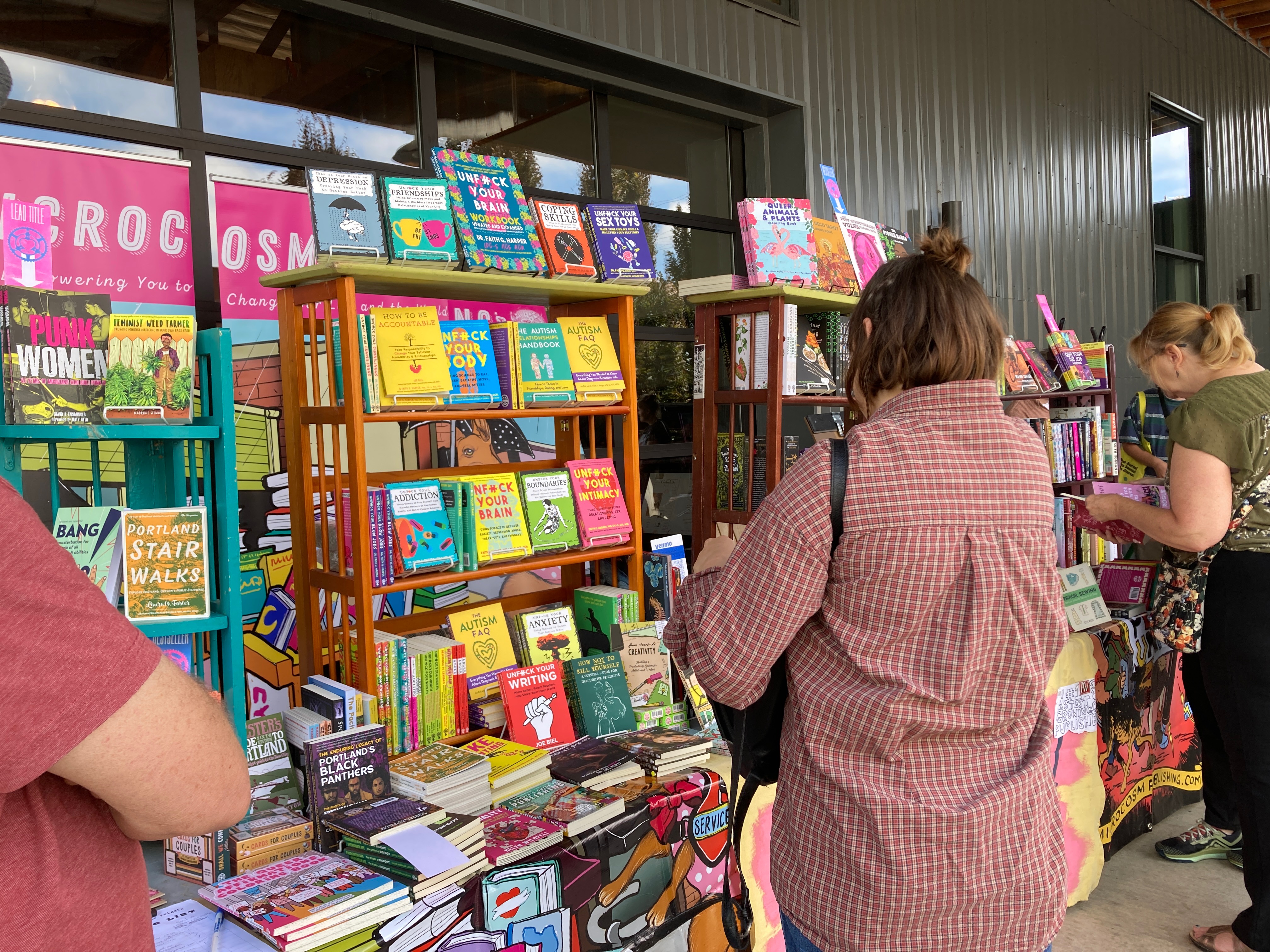 Distribution has the potential to help publishers grow, but distribution arrangements can also lead to disappointment. One reason is an incomplete understanding of the actual services distributors provide—and what they don’t.
Stanfill says there’s a difference between data distribution and full-service distribution. “So often, I hear publishers tell their authors that books are distributed by Ingram when it’s really a metadata relationship,” she says. “The book information is entered into an Ingram catalog, and that data is sent out to retailers and wholesalers. Each title is a set of data points, not a physical object being shelved in a warehouse or being mailed to a store.”
One of the biggest benefits of full-service distribution is a sales team that actively sells into markets and bookstores, Stanfill says. “I know every one of my authors will have their books passed from human hand to human hand for consideration by buyers,” she says. “In this increasingly artificial world, that kind of personal connection is so important. It’s gold.”
Biel points to title feedback as a valuable but often overlooked service. “A distributor has a much wider breadth of experience and a much greater emotional distance from the work itself in order to give objective feedback about how to make each title succeed,” he says. “Often this is based on cover, title, price, packaging, or development, but sometimes it’s simply how the title is presented or discussed. This is the fundamental thing that makes or breaks a book’s chances in the market.”
Biel names several other services publishers can realistically expect if they have distribution. A distributor should have a staffed warehouse to store and inventory titles, along with an integrated system for fulfilling orders. An ONIX feed for sharing metadata is also essential, he says, as is Electronic Data Interchange (EDI) compatibility for handling payments, orders, and returns with major accounts. A robust accounting and payment system is another key feature.
On the marketing end, Biel says distributors should maintain strong relationships with wholesalers and retailers. Beyond platform catalogs and listing titles for passive discoverability, he says they should have a marketing presence at trade shows and a sales force to meet with key accounts.
 Stanfill appreciates being able to share big pieces of publicity with her distributor. “My June book, Nice Places by Vincent Chu, just earned a Must-Read Book of 2026 designation by The Sunday Times in the UK,” she says. “I sent the link to PGW, so the sales team could use it to follow up with buyers. Being able to pass along those big hits makes a huge difference.”
Likewise, she looks forward to interacting with the distributor’s sales team at in-person sales meetings. “Attending costs plane fare, hotel, meals, and time,” she says. “But showing up has definitely helped me grow my publishing savvy and relationships.”
The relationship is a two-way street, says Familius Publishing founder Christopher Robbins. “Salespeople want successful sales,” he explains. “You have to find a way to give your salespeople immediate sales success with information and tools.”
Distributors may also advise publishers on print runs. “Publishers can get seduced by a low unit cost but a lot of units,” Tegge says. A distributor that also offers printing services, Lakeside makes what Tegge calls “conservative” suggestions about how many copies a publisher should print, but in the end, he says the decision rests with the publisher.
By outsourcing distribution, publishers can also better allocate resources for more mission-centric tasks. “Working with a distributor takes away the need to deal with warehousing, fulfillment, customer service, accounts receivable, and logistics,” Robbins says. “That frees up time to focus on the key publishing responsibilities: acquisitions and marketing. Having a good distributor who has strong equity in the marketplace and who complements a publisher’s line can be a great advantage in this significantly challenging industry.”
Reality Check
 Helpful as a distributor may be, a publisher’s expectations may fall short of what a distributor can deliver. “Some publishers think when you have a distributor, their work is done,” Tegge says. “We can get books into the marketplace. It’s the publishers and the authors who have to create discoverability.”
Stanfill concurs, noting that publishers must keep publicity front and center. “It’s easy to assume having a distributor will suddenly vault your sales into the stratosphere,” Stanfill says. “There’s more potential for orders if there’s a sales team actively trying to get booksellers to carry your titles, but it’s not automatic. If you don’t get enough publicity, those shelved copies will boomerang back as returns, costing the press financially.”
Likewise, the positive effects of distribution may not be all a publisher expects. “We haven’t been making as much as we did when we were independent and publishing through Ingram Spark, even though our sales have more than doubled,” Kastner says. “I’m trying to find the happy medium of sales, cost, effort, [and] revenue.”
As McMahan points out, a publisher’s contract with a distributor will outline the responsibilities of each party, but that still doesn’t give a clear picture of the money and time a publisher needs to invest to hold up their end of the agreement. He also notes the difficulty in attributing an uptick in sales to distribution. “Because there are so many variables affecting book sales, including our own acquisition choices and publicity efforts, it is hard to measure the impact of the distributor,” he says.
Publishers also need to realize that distributors can’t force stores to order books, Biel says. “Stores order based on a publisher’s reputation, often boosted by their distributor’s name brand and their familiarity and perceived ability to sell those books in turn,” he says.
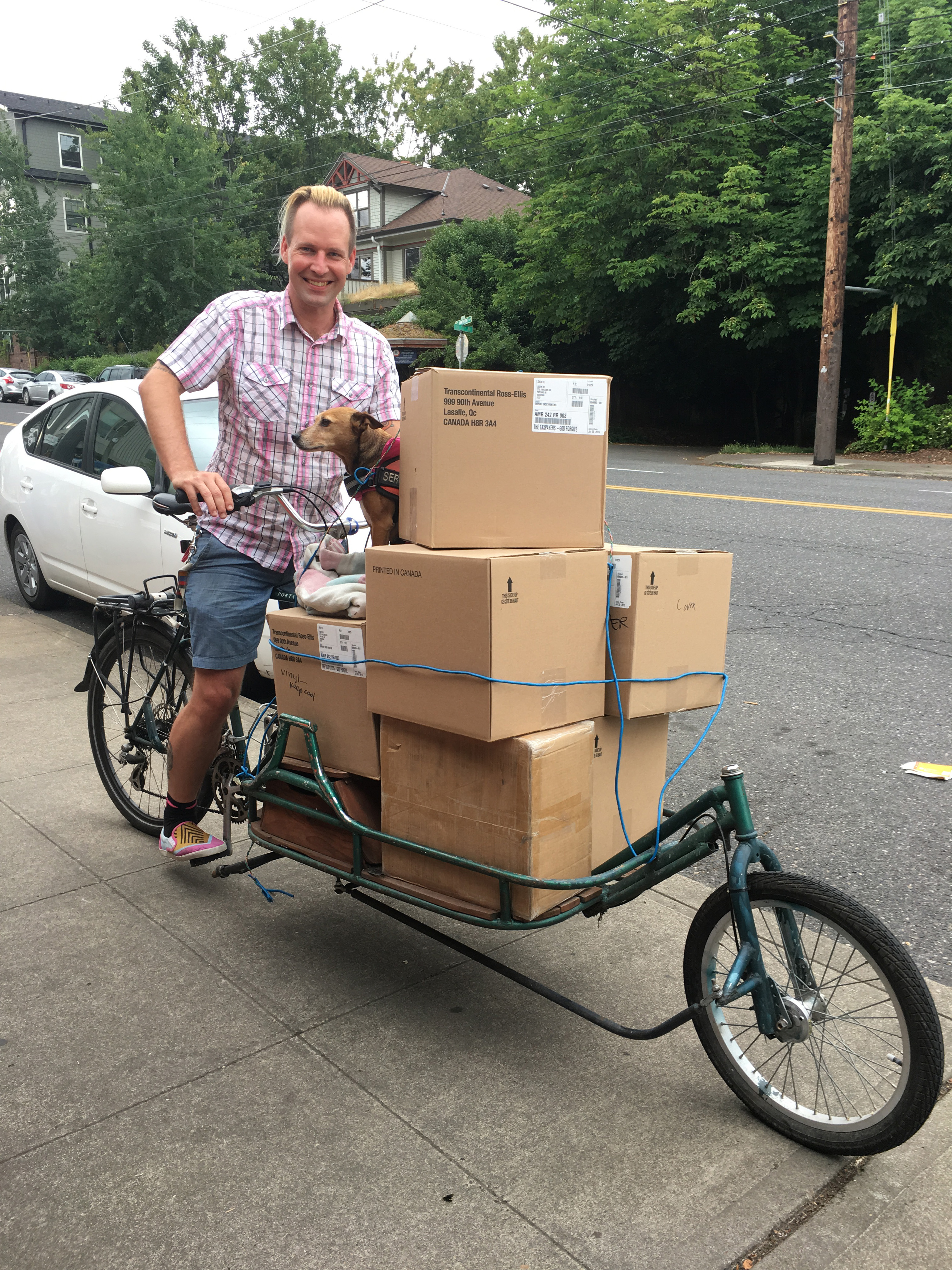
Working with a distributor may also take more time than a publisher anticipates. “We found managing a global trade distributor to consume 20-80 hours per week,” Biel says.
The cost of working with a distributor can also come as a surprise. “Many publishers do not have proper printing costs correlated to be 10% of their list price,” Biel says. “The problem becomes that after the distributor takes 35%, and they are paying the author and the printer, they are selling every copy at a loss.”
Knowledge Is Power
To avoid disappointment, publishers need to make informed decisions about distribution based on real economics, workflows, and long-term strategy.
“It’s very important to pencil out the math and make sure you can afford it before you sign,” Stanfill says. “If you have questions, ask. Get really clear on how the fees work, what it costs when a book gets returned, and how much time it’ll take.”
When assessing the financial impact of a distribution arrangement, Robbins advises publishers to understand how a distributor accounts for costs such as shipping, commissions, and warehousing. “Remember, we bring in dollars but spend in percents,” he says. “A publisher must know what percent is paid for full distribution and understand the impact on their income statement.”
Regarding staffing, Robbins advises tasking whoever already oversees sales to work directly with the distributor. “The owner should also participate,” he says. “Sometimes you can drop costs in areas that the distributor oversees.”
 Publishers who meet a distributor’s requirements are typically well-equipped to maintain the relationship, Tegge says. “In general, we look for professional publishers who publish on a regular basis every season—10 titles a year, with some exceptions—and work with multiple authors,” he says. “Ultimately, we want to work with publishers from title development all the way through to distribution.”
Tegge also points to the need for publishers to be well-capitalized when they enter into a distribution arrangement. “Starting out, it’s going to be really tight,” he says. For instance, a publisher who signs in January with a book launching in May won’t see proceeds from sales of that title until the end of summer.
In fact, it may take up to a year for a publisher to see a distributor’s positive impact on sales, Biel says. “Many publishers feel frustrated and lack the patience to take a distributor’s feedback and wait for the relationship to come to fruition,” he says.
To get the most from a distribution arrangement, Tegge suggests publishers look for distributors who provide strong customer service. “The client relationship should be a massive responsibility,” he says. “It needs to be mission-driven. You take care of them. You watch out for them. That’s why people leave certain distributors, because they aren’t getting that.”
To maximize the benefits of distribution, Robbins meets regularly with his distributors’ representatives to go over open questions and discuss opportunities. “Most distributors have a liaison who is responsible for the distributor-client relationship,” he says. “This is important. You also need to know the key salespeople and find ways to influence them.”
Kastner suggests publishers approach distribution with a mission and vision in mind. “Interview pre-existing publishers to gain from their experiences,” she says. “This will help you have a more targeted strategy and plan.”
For as much as publishers want exposure, Biel says that exposure can also cause problems. “It feels great to see orders for 10,000 units,” he says. “But the publisher is then both on the hook to pay the printer for those as well as risking the cost of [the books] being returned in unsellable condition.”
After taking all these factors into consideration and touring trade distributors, Biel opted to quit working with a distributor altogether. “We figured that it would be more fun, less stressful, and easier to break up with our distributor and handle the tasks ourselves,” he says. “So much of our time had defaulted to checking their work, asking for mistakes to be corrected, and then phoning them about financial issues from months ago. It was the most stressful part of my job.”
Going solo in 2018, Microcosm’s goal was to match the results they’d achieved with their global distributor. “Instead, we more than doubled our sales that first year,” Biel says. “And then again the next year. The past eight years have been wild as we continue to find new markets for books.”
Biel attributes these results to keeping Microcosm’s books front-of-mind for customers. “We still work with distributors in countries where we don't have adequate access or warehousing,” he says. Nor has he entirely ruled out working with a single global distributor in the future.
“If something truly superior was presented to us, we would consider it,” he says. But when a distributor approached Microcosm in 2022, Biel ultimately declined the offer. “It was double what it costs us because we own all of the infrastructure,” he says.
Clear-Eyed Decisions
For all the advantages full-service distribution promises, publishers need to go into distribution arrangements with eyes wide open. It’s easy to misunderstand what distributors can and can’t do, overestimating the volume they’ll sell and underestimating the resources you may need to maintain the relationship.
By weighing the facts and running the numbers, publishers can make informed decisions about how well distribution aligns with their mission. Equipped with this knowledge, Stanfill is among the publishers for whom distribution is a win-win. “Getting our titles into brick-and-mortar stores was the way I could live my values and also still sell books and do my best for authors,” she says.
Deb Vanasse is the author of dozens of published books. She works as a freelance editor and is an author-publisher at Vanessa Lind Books.