 Between a book’s acquisition and its launch date, the publisher’s expenses mount. Months may pass—years, even—before the project sees the light of day, and the balance sheet moves into the black. It doesn’t have to be that way. Savvy independent publishers are using preorders, presales, funding partnerships, and crowdfunding to generate revenue well in advance of a book’s release.
Preorders
For publishers, preorders are standard procedure. “A preorder campaign allows you to test your marketing and messaging concepts,” says Joylynn Ross, CEO of Path to Publishing. “Creating that word-of-mouth buzz can often prompt readers to begin requesting your book from bookstores, which can entice retailers and libraries to preorder copies of your book as well.”
But preorders also have the potential to generate much-needed pre-launch income. To maximize returns, Ross encourages publishers to make sure their campaigns are intentional and strategic.
At Sofawolf Press, Chief Operating Officer Jeff Eddy uses autographed copies to entice customers to order in advance. “For big releases of known names in our niche, we have brought the creators out to sign and number preorders,” he says. “These days, we usually provide a specially printed color insert, which we then have the creators sign, or sometimes custom-printed book plates. It doesn’t add a lot to the margin cost and really helps to spur people to preorder, which helps a lot with our cash flow.”
When developing a preorder strategy, Shequeta L. Smith, CEO and founder of Shero Comics, urges publishers to identify which market segments to target. “For some publishers, that may mean selling directly to consumers,” she says. “However, for my company, which creates comics and merchandise for young people, we’ve found that bulk sales to educational institutions are the most effective.”
Smith advises publishers to plan preorder campaigns well in advance and prepare for delays. “One thing I’ve learned after publishing books for over a decade is that your timeline isn’t always the same as everyone else’s,” she says. “If you have a set publication deadline, it’s important to be upfront with potential partners about your timeline and how flexible or inflexible it is.”
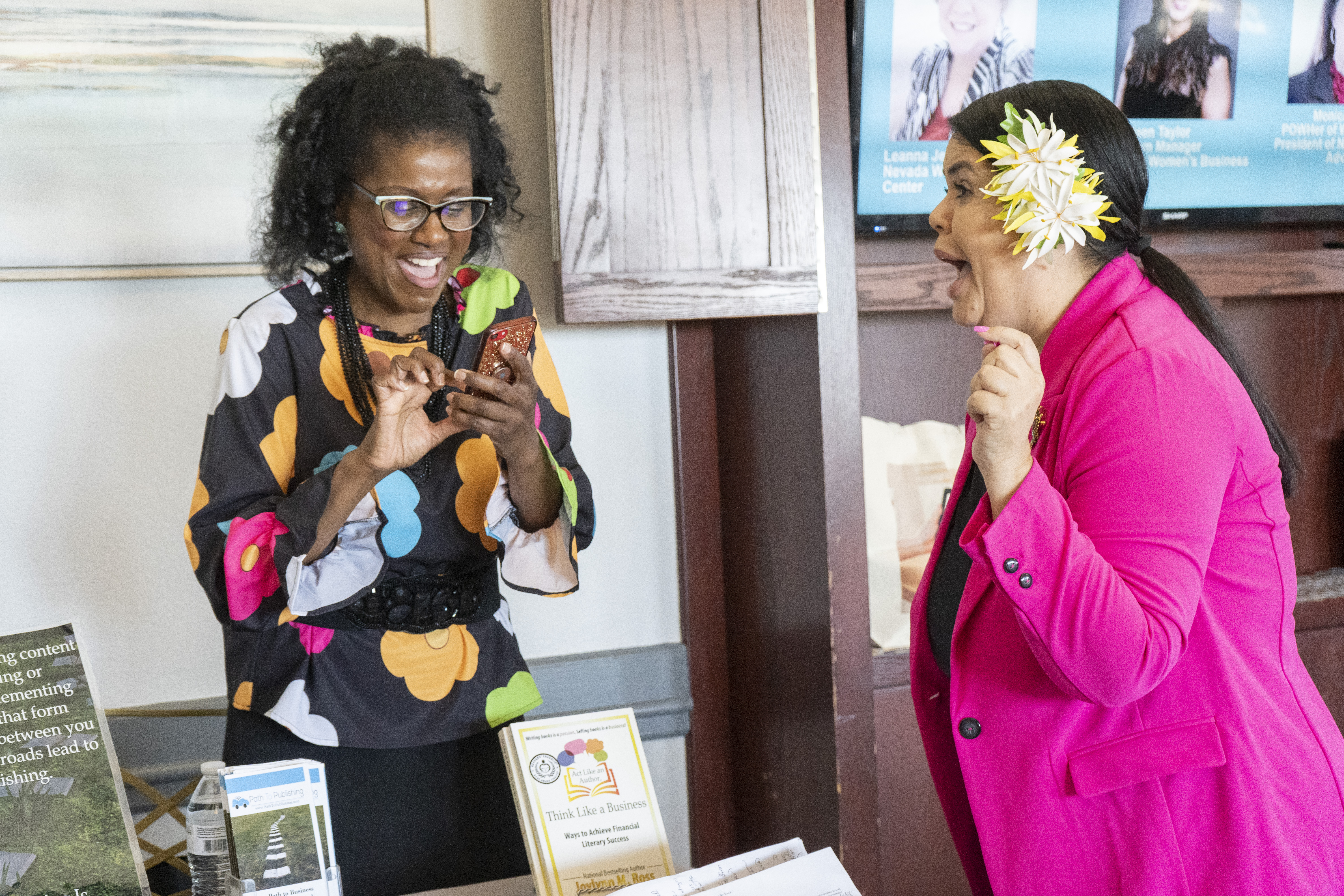 Meeting deadlines is a matter of trust, Ross says. “You don’t want to ruin that trust by not delivering what you promised to deliver when you promised to deliver it,” she says. “This is true whether it’s a preorder campaign, a crowdfunding campaign, or otherwise.”
Partnerships
Whether through presales or outright funding of a project, publishers can also leverage mission-centric and brand partnerships to generate income before a book’s release.
With her corporate background in sales and marketing, Smith noticed how brands collaborate when rolling out new products. “Today, with social media pushing brands to create more experiential ways to reach customers, a savvy publisher can align with a brand that complements their book,” she says.
“For example, if you’re releasing a book about the history of cotton candy and have built an audience of cotton candy lovers, you might approach a cotton candy company to see if they’d be interested in buying ad space in your book or becoming the official sponsor.”
At First Flight Books, publisher John Minnec tapped the power of partnerships to generate pre-launch revenue for Eat-A-Ducky-Mouse, which tells the story of Japanese Americans from the 1930s to the present. “Kikkoman underwrote part of the project and supported advance promotion with their global employee base,” Minnec says. “Their involvement helped fund elements of the launch and promotion while their network amplified early awareness and drove readers to preorder ahead of release.”
In addition, First Flight’s outreach to the Japanese American National Museum helped drive early bulk purchases. “We position pre-launch opportunities around shared mission and audience alignment rather than simple sponsorship,” Minnec says. Besides generating early revenue, these partnerships garnered media attention and amplified the project’s cultural relevance.
 Minnec advises publishers to approach pre-launch revenue not as a sales tactic but as an exercise in strategic partnership. “Identify organizations whose mission, audience, or cultural relevance aligns naturally with the book,” he says. “Approach them early with a clear narrative about shared impact, visibility, and audience engagement.”
As Smith prepares to release the third chapter of Shero’s manga series, she is actively pursuing pre-publication funding through companies that share her audience. “Whether through brand partnerships or bulk sales, it’s critical to identify the decision-maker within an organization who has the authority to say yes,” she says. “The best way to do this is by researching on LinkedIn and using tools like RocketReach or The Org to find contact information.”
Deputy Director Tobi Harper Petrie of Red Hen Press says they have found institutional funders and individual supporters willing to help fund projects that align in form and content with their interests. Recognition is an important part of these arrangements. “Underwriting is easiest when it’s requested far enough ahead of time to have the supporter’s name or institution acknowledged inside the book itself,” Harper Petrie says.
To identify pre-publication funding sources, Ross suggests publishers research organizations and agencies that offer grants and other funding opportunities. Using an exercise called “Use What’s in Your Hand,” she and Path to Publishing’s program director, Brandy Miller, work with publishers to “turn their contacts and connections into currency, collaborations, and other opportunities.”
Those relationships are vital to pre-publication funding, Miller says. “Know who serves the target audience for your book, and start making connections with them early,” she suggests. “You’d be surprised at how many of the people you connect and build relationships with you may find preordering or purchasing your books in bulk, as well as funding the publication of the books.”
When approaching potential partners, Miller urges publishers to frame the ask as a win-win. “Focus more on what you can do for them with your book rather than on what they can do for you and your book,” she says.
Partners may also offer grants that boost pre-publication revenue. “The most recent grant I received is helping fund an upcoming workshop that teaches young African American girls about the power of their textured hair, which will coincide with the release of the next chapter in my manga series, Young Grandmaster Choi, a story about an African American girl who is bullied for being different,” Smith says. “The workshop will also serve as a marketing tool leading up to the book’s release.”
Crowdfunding
In 2021, Smith received a grant that required her to initiate a crowdfunding campaign. “After the success of that campaign, I continued using crowdfunding as a way to both fund and market new releases,” she says. “It’s a lot of work, and you need to build an audience to succeed, but it functions as both a funding mechanism and a marketing tool.”
Before launching a crowdfunding effort, Smith recommends researching and learning from successful campaigns. She also suggests reaching out to potential supporters to find out which campaign components would interest them.
“I keep a spreadsheet of past backers, including their names and emails,” she says. “When possible, I reach out in advance to ask if they’d be willing to support my upcoming campaign. Those pre-pledges can help you estimate how much you might raise and determine a realistic campaign goal.”
 With crowdfunding, this early support is critical. “If you can generate momentum on day one, you can spend the rest of the campaign expanding your reach to new backers rather than relying solely on your core supporters,” Smith says.
Red Hen’s past crowdfunding campaigns met their goals, but the work involved was “burdensome” relative to the effort expended, Harper Petrie says. “We also found there to be confusion as to whether the book would be published or not, dependent on whether the Kickstarter was successful,” they explain.
At Sofawolf Press, Eddy has run five successful crowdfunding campaigns. “It really goes beyond pre-funding a large print run and becomes a very effective marketing tool,” he says. “Since crowdfunding apps promote your new projects to past backers, you get almost an email-list-like marketing boost. In addition, the ability to include rewards beyond just the book itself means that you can include products from other well-known makers and wrap their markets into yours.”
In crafting a crowdfunding campaign, Eddy warns against having too many add-ons and levels. Sofawolf’s first effort, a campaign to launch Digger: The Complete Omnibus Edition, was “wildly successful,” he says. It was also a learning experience.
“The logistics—we did it all in-house—were a nightmare, with over 850 backers at a wide variety of levels, and we took a serious bath on shipping costs,” he says.
With crowdfunding, he advises publishers to start small and build buffers for both time and money into their campaigns. “Keep in mind that if you offer a pin or something and only five people buy it, you are still on the hook for the minimum run of them,” he says. “You also need to plan for getting everything produced and delivered before you can start fulfillment.”
Snowy Wings Publishing’s Lisa Basalto says her company has run successful crowdfunding campaigns for several titles. “Each of our campaigns has exceeded its funding goals by at least 50%,” she reports.
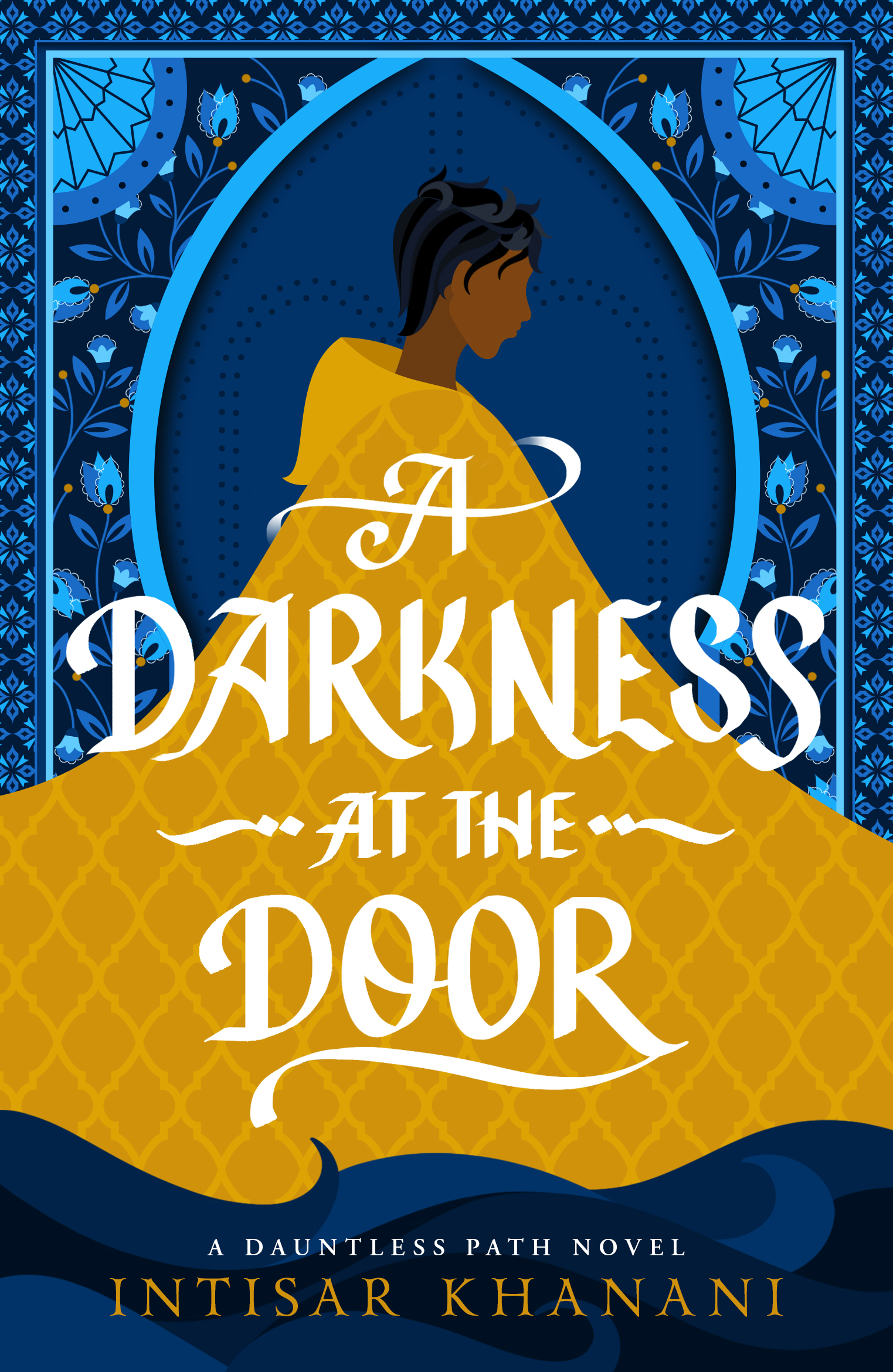
Crowdfunding for The Alchemy of Sorrow yielded over $24,000 against a funding goal of $6,200. A campaign for A Darkness at the Door also earned over $24,000, well exceeding its $9,800 goal.
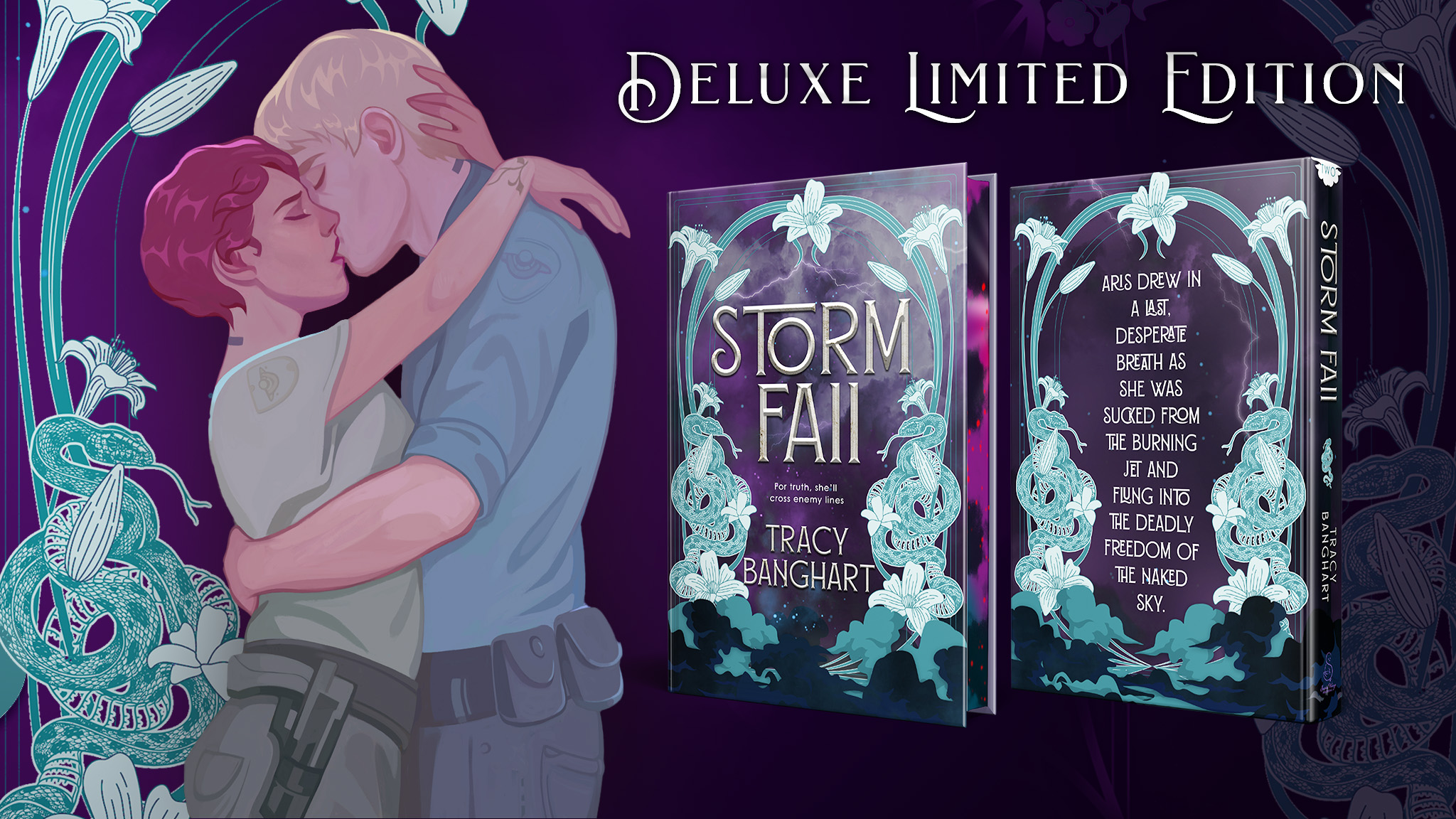
“We have found that the key to a successful campaign is to focus on premium features or extras for backers,” Basalto says. With special touches like character art, sprayed edges, foiling on the cover, and vellum page overlays, deluxe edition hardcovers work well, she says. Because backers want to see prototypes, she advises publishers to budget for producing those well in advance of the campaign.
Social media and newsletters help drive traffic to crowdfunding pages, Basalto says. “When it comes to Kickstarter, having a strong number of followers pre-launch helps their algorithm, which makes it more likely that Kickstarter itself will show your campaign to potential backers,” she says.
Before jumping into the crowdfunding space, Basalto recommends publishers research the process through groups like Kickstarter for Authors on Facebook. “Make sure to set your goal as low as you can in order to break even on expenses, which will increase the likelihood that your project will fund,” she says.
“Conversely, make sure that you don’t price so low that you’ll lose money if it does fund, because then you will be obligated to deliver.” In addition, she encourages publishers to build buffers into their pricing tiers to address fluctuating exchange rates, platform fees, taxes, tariffs, and duties.
For all the effort involved, crowdfunding has the potential to deliver payoffs beyond the balance sheet. “Easily the biggest advantage is gaining new readers,” Basalto says. “There is an entire market of consumers who discover new projects by browsing Kickstarter, and this includes readers.”
Getting Started
Before pursuing pre-publication funding, publishers should know what they want to achieve. “If you are starting with zero budget, then your goal is more than likely to receive upfront funding versus reimbursement funding,” Ross says. In that scenario, she points out that publishers can’t rely on revenue from crowdfunding platforms or preorders from retailers like Amazon that deliver funds only after a campaign has ended or a book is released.
Miller also urges publishers to consider whether they can afford to invest the time and energy needed for success. In addition, she says they should think beyond the book. “Create companion material that allows you to get your foot in more doors than the book alone can,” she says. “Think about how you can host workshops and webinars, give talks and lectures, or offer educational content. Be creative. That’s what you’re good at.”
In addition, publishers should evaluate which projects and methods are the best fit. “Consider the special interest potential of each title alongside the specific interests of your donors and supporters,” Harper Petrie says. “Ask them openly whether they have interest in any upcoming titles.”
Balance
Publishing doesn’t have to be a wait-and-see enterprise. Done properly, crowdfunding, partnerships, and preorders can generate income well in advance of a book’s release.
To maximize benefits, publishers need to understand the options and consider which ones are the best fit. “It’s not a cookie-cutter, one-size-fits-all strategy,” Ross says.
“Ultimately, the right approach depends on the publisher’s audience, industry norms, and core strengths,” Smith says. When those elements align, pre-publication funding yields a balance sheet that balances sooner rather than later.
Deb Vanasse is the author of dozens of published books. She works as a freelance editor and is an author-publisher at Vanessa Lind Books