In an era of algorithm changes, fleeting social media reach, and rising ad costs, one marketing channel consistently delivers returns for independent publishers: email.
Industry benchmarks show email marketing generates an average $42 return for every $1 spent (DMA Response Rate Report, 2023 data), dwarfing social media’s typical $2-$5 ROI.
For independent publishers, a well-nurtured email list is a direct line to engaged readers who already trust you and are likely interested in buying your next release.
Quality trumps quantity. A targeted list of 1,000 enthusiastic subscribers frequently outperforms 10,000 cold leads.
This article walks you through the full life cycle: building a high-quality list, managing and segmenting it for personalization, using it for precision marketing, and maintaining long-term health. These steps are drawn from real-world indie strategies.
Building Your List: Attract Readers Who Want Your Books
 The foundation of success is attracting the right subscribers from the start. Focus on quality lead magnets and targeted channels rather than broad blasts.
Lead Magnets
A lead magnet is a valuable, free item (like an e-book, checklist, or workbook) offered by a business in exchange for a potential customer’s contact information. This incentive attracts prospects, and by opting in to receive your emails, you will move them further down the sales funnel.
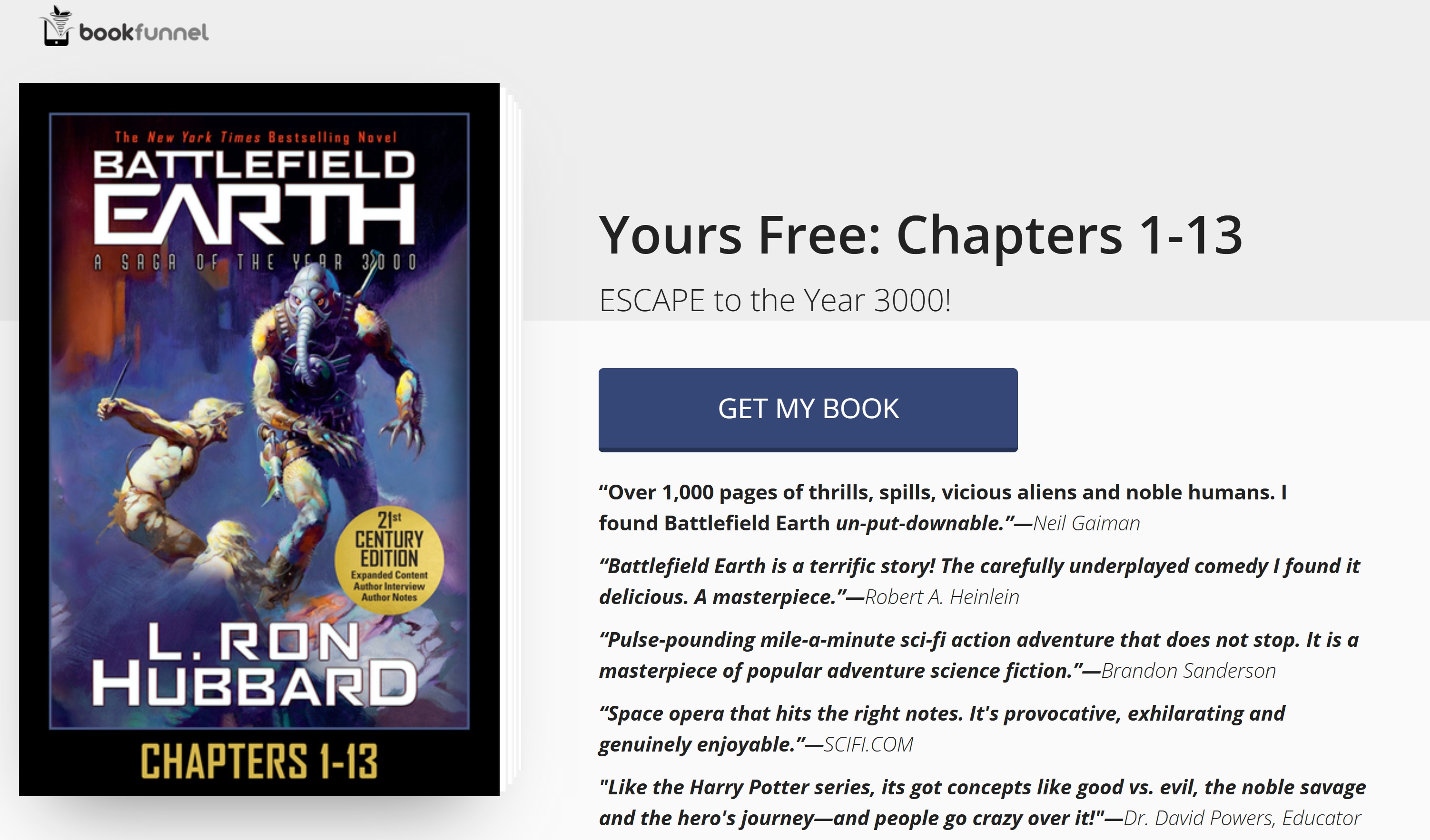
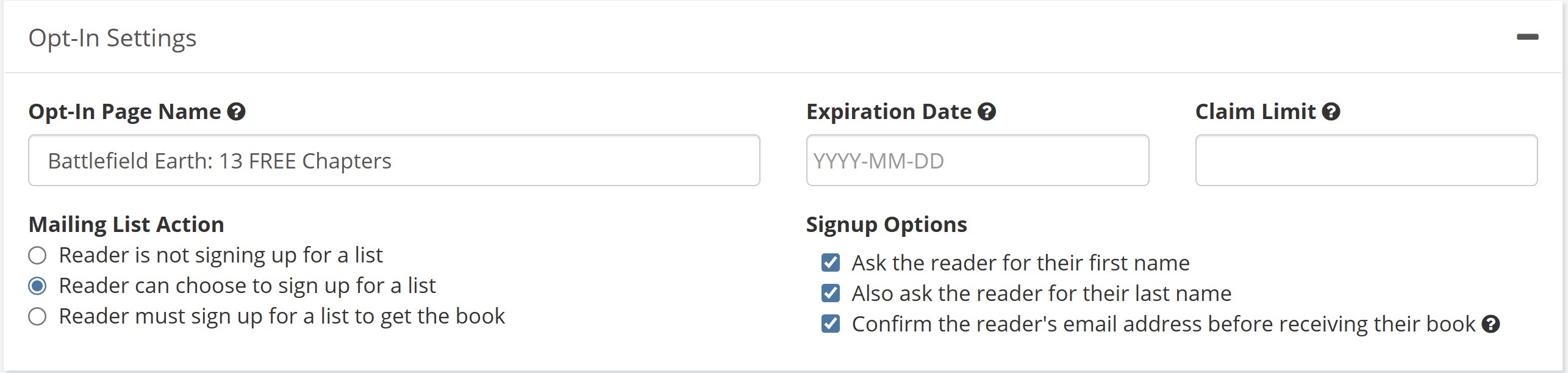
Publishers and indie authors have had success offering a free e-book, short story, or an exclusive sample chapter. BookFunnel.com offers an effective solution to set up landing pages to collect new subscriber information and deliver the digital bonus you offer.
Most readers who claim your free bonus are interested in your voice or genre—ideal prospects for future sales.
We recommend you ask subscribers for their first and last name along with their email (and mobile number when possible). It is best practice to make their signup “optional.” Less people will opt out if they really want to be on your list in the first place.
Facebook Lead-Generation Ads
 Facebook (now called Meta) has an effective lead-generation ad. If you are not familiar with running Facebook ads, I recommend you do their free training. (Udemy offers an inexpensive course at udemy.com/course/facebook-lead-gen-adsmasterclass, and The Self Publishing Formula offers an author-specific free course on list building using Facebook at selfpublishingformula.com/courses/marketing.)
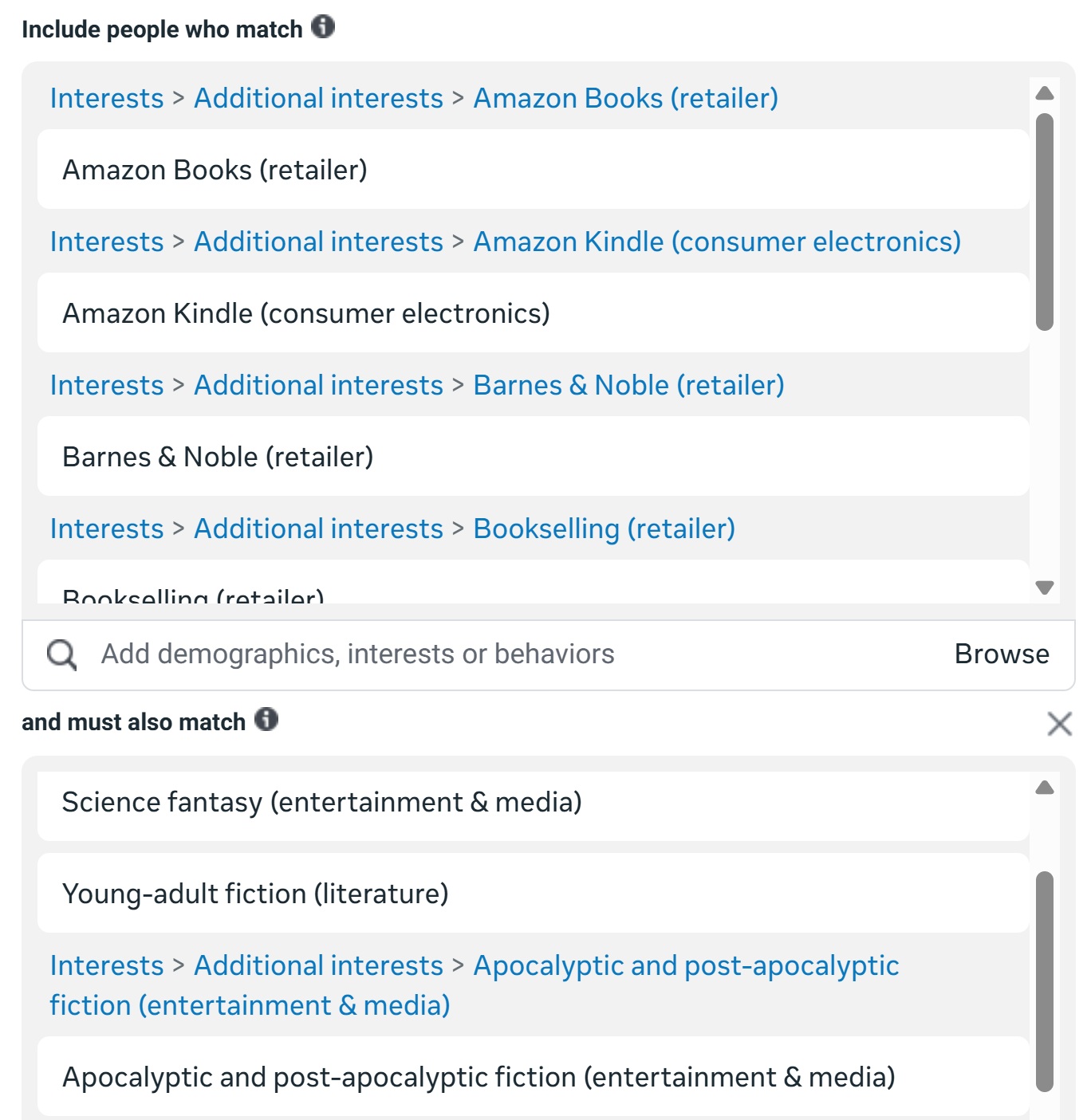
Run low-budget tests targeting precise audiences. You can target two layers of interests, like “Amazon Books” (so your ad reaches readers) and further, interested in your subject, like “science fantasy.”
Optimize by monitoring cost per lead and refining audiences based on performance.
While it is an easy platform to use and effective in list building, I suggest you train first so you get the best results.
Targeted Events (Virtual and In-Person)
 Book fairs, genre conventions, library panels, and virtual author events can be goldmines for signing up readers. Use QR codes linking to a simple signup page or collect business cards/emails on-site. Follow up within 24 hours with a welcome email containing the promised bonus. These personal connections convert at higher rates than cold ads.
Managing and Segmenting: Personalization at Scale
Once readers subscribe, your organization turns this list into sales. A good customer relationship management (CRM) tool is your central hub.
What Is a CRM?
CRM stands for customer relationship management software. It stores contacts, tracks interactions, enables tagging, and automates personalized emails. Popular options for indies include MailerLite, ConvertKit, and ActiveCampaign. You can start free and upgrade as your list grows.
Picking the right partner is important. Kindleprenuer has done research on this that you may find helpful: kindlepreneur.com/best-email-services-for-authors.
List Hygiene and Compliance
Maintain trust and deliverability with basics:
- Enforce double opt-in
- Remove hard bounces quarterly
- Add an unsubscribe link to your marketing emails
- Get familiar and comply with the EU’s General Data Protection Regulation (GDPR) and the CAN-SPAM Act (Controlling the Assault of Non-Solicited Pornography and Marketing)
Clean lists prevent spam complaints and will keep your open rates high.
Segmentation: The Game-Changer
Tagging readers who sign up groups subscribers in a meaningful way:
- Genre/interest (e.g., “fantasy,” “cozy mystery”)
- Purchase history (e.g., “bought Book 1,” “series completer”)
- Engagement level (e.g., “opened 5+ emails”)
- Superfan status (e.g., “left reviews,” “attended events”)
Here is an example workflow:
A subscriber downloads your free sci-fi short story or chapter book → tag as “Sci-Fi” and “Lead Magnet Downloader” → automate a nurture sequence introducing your book or full series.
Starting simple with one tag (genre) can lift open rates 20%-30%.
Deliver the Right Book to the Right Reader
Segmentation unlocks hyper-relevant campaigns that feel like personal recommendations.
Email Campaigns
Send tailored messages based on tags. For example, a past buyer could be sent an email that says: “Loved Book 1? Here’s Book 2 at 20% off.”
Your superfans can be sent early access or exclusive previews.
Follow the 80/20 rule: 80% value (tips, behind-the-scenes, reader spotlights), 20% promotion. Subject lines like “Your Next Must-Read Adventure Awaits” drive 25%+ open rates when personalized.
Using Subscriber List to Further Facebook Ads
Upload segmented email lists as “custom audiences” for retargeting. For example, your superfans can be targeted in ads to see “new-release first.”
Your segmented subscriber list can be used to create a “lookalike” audience where Facebook will find other readers that share common interested to your list and show your ad to them, too.
Avoid broad targeting—precision keeps costs low and conversions high.
Metrics That Matter
Track these weekly:
- Open rate (aim for 20%-30%)
- Click-through rate (aim for 5%-10%)
- Conversion rate (aim for 2%-5%)
A/B test subject lines and send times. Small gains compound: A 10% open-rate increase can double revenue from the same list.
Best Practices for a Healthy List
An email list requires ongoing care.
Regular Maintenance
Quarterly actions to clean your list include:
- Sunset in-actives after six months (send a re-engagement email first: “We miss you—here’s a free chapter”).
- Remove complainers immediately.
Engagement Boosters
Send value-first content. Use survey emails that ask things like “What sub-genre do you read?” to refine tags. Offer exclusive perks to superfans (signed bookmarks, early chapters).
Re-engagement emails bring 10%-20% of lapsed readers back into action.
Common Pitfalls to Avoid
- Over-sending (limit one to two emails per week)
- Ignoring mobile optimization (test previews)
- Not using A/B testing. Consistent testing—subject lines, send days, content types—drives steady improvement.
Long-Term Mindset
View your list as a community, not a sales funnel. Loyal readers buy multiple titles, leave reviews, and refer friends, creating growth.
Next Steps: Turn Insights into Action
- Week 1: Launch one lead magnet and test a $50 Facebook ad (do the training first if you are not familiar with Facebook/Meta advertising).
- Week 2: Decide on a CRM and open an account.
- Week 3: Import your subscribers to the CRM and apply basic tags, and send your first segmented email. Track results.
- Week 4/5: Ensure your CRM is keeping your list clean.
For further training, download IBPA’s guide, “How to Build and Maintain Your Mailing List.”
Your email list isn’t just contacts—it’s readers eagerly awaiting their next favorite book from you. With consistent effort, it becomes your most reliable sales tool.
Good luck!
Juliet Wills is the vice president of sales at Galaxy Press.